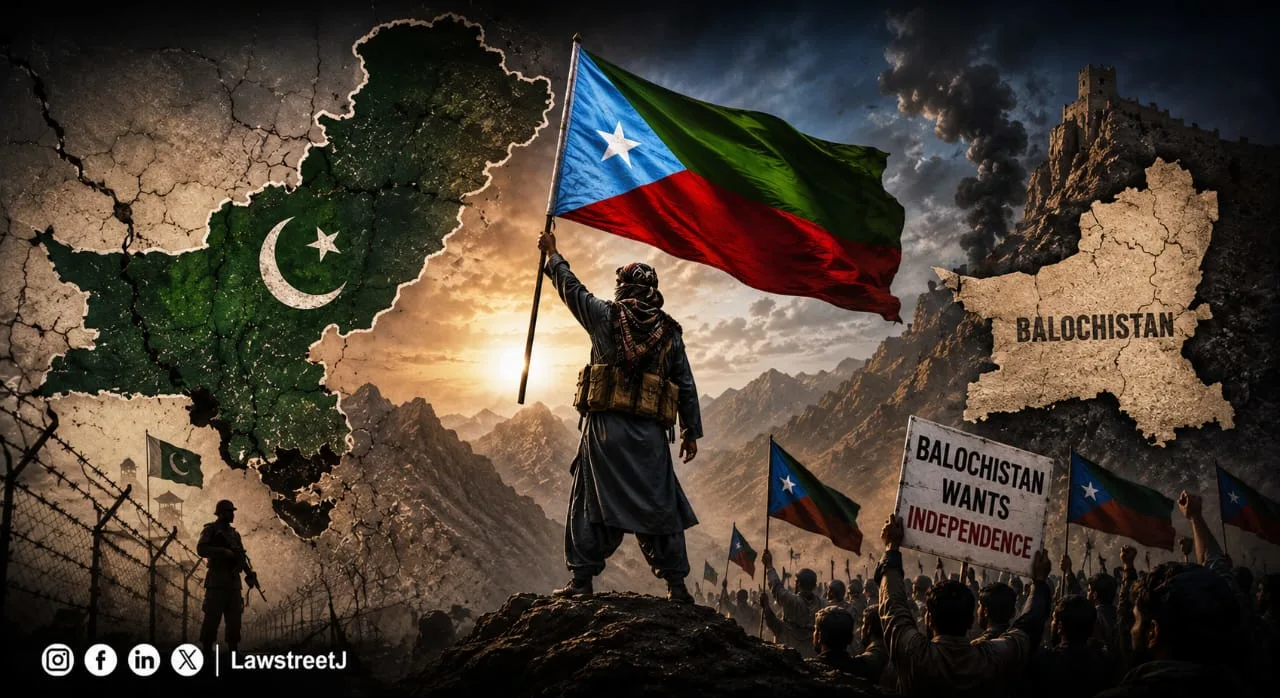
Viral "Republic of Balochistan" Independence Declaration Remains Unverified
A social media post circulated on July 13, 2026, by activist Mir Yar Baloch has sparked significant international attention by claiming that an independent "Republic of Balochistan" has been established.
The Pakistani government continues to maintain full governance over the province, with state officials actively conducting cabinet meetings and security operations, contradicting the separatist narrative of territorial control.
Absence of Diplomatic Recognition: Statehood under international law requires recognition by other sovereign nations and functioning government institutions; as of July 2026, no entity has formally recognized Balochistan as an independent state.
Pattern of Declarations: This is not the first instance of such claims. Similar proclamations were issued by Mir Yar Baloch in May 2025 and May 2026, both of which failed to alter the political or territorial reality of the region.
Verified Security Situation: Reports from major media outlets, including Pakistan’s Dawn, confirm that state security forces remain deeply embedded in the region, conducting routine counter-insurgency operations and maintaining administrative authority.
Lack of Organizational Endorsement: Key armed separatist groups operating in the region, such as the Baloch Liberation Army (BLA), have not publicly endorsed the declaration as a formal state proclamation, further distancing the viral claim from the ground reality of the ongoing insurgency.
The Reality of Grievances: While analysts dismiss the independence declaration as digital propaganda, they acknowledge that the underlying grievances—including human rights concerns, resource extraction issues, and regional political marginalization—remain documented and significant issues within the province.
As noted by outlets like