FIFA Faces Pressure to Sanction Argentina After Falklands Banner Incident
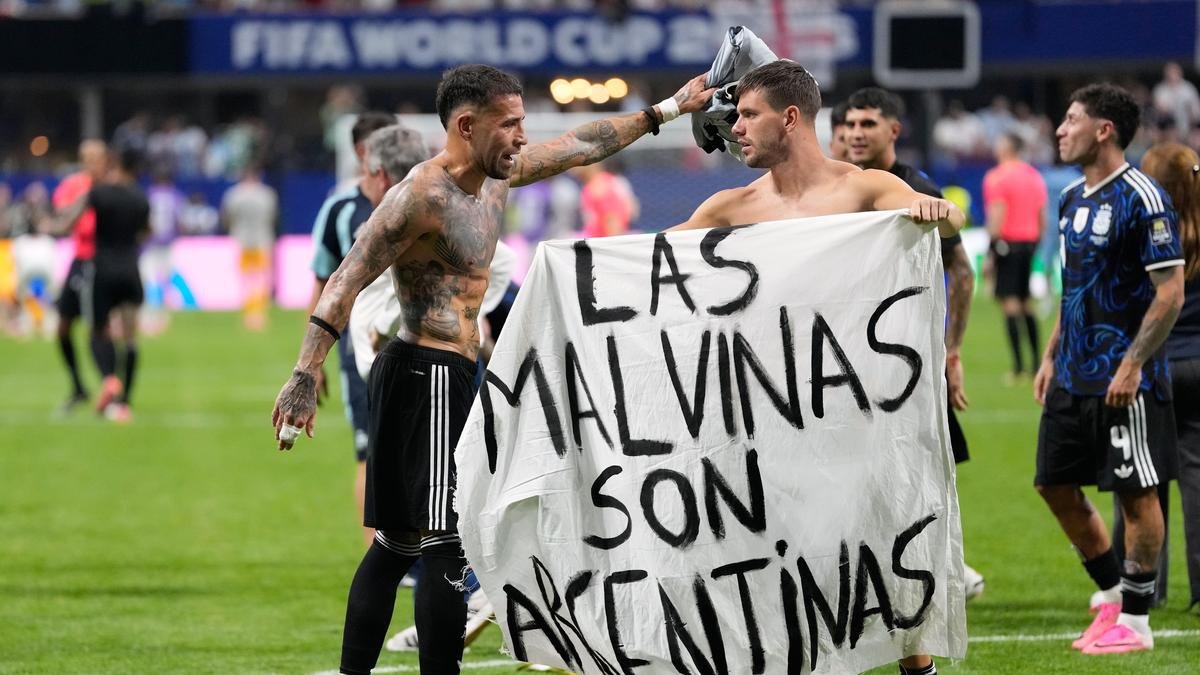
Argentina's thrilling 2-1 comeback victory over England in the FIFA World Cup 2026 semifinals has sparked a major diplomatic and sporting controversy. Moments after the final whistle at Atlanta’s Mercedes-Benz Stadium, several Argentine players, including midfielder Giovani Lo Celso and defender Nicolas Otamendi, were seen brandishing a banner that read "Las Malvinas son Argentinas" ("The Falklands are Argentine"). The incident has drawn sharp criticism and is now under scrutiny for potentially violating FIFA’s core regulations against political displays, as reported by major outlets like
The display, which referenced the 1982 war over the disputed territory, has reignited long-standing tensions between the two nations. Under the International Football Association Board (IFAB) Laws of the Game and FIFA’s Stadium Code of Conduct, the use of banners or slogans of a political, offensive, or discriminatory nature is strictly prohibited. If found in breach, the Argentine Football Association (AFA) could face significant fines, similar to disciplinary actions taken in previous tournaments.
Breach of Neutrality: FIFA’s regulations explicitly state that players and teams must not reveal political, religious, or personal slogans. The act of bringing the banner onto the pitch during official celebrations is considered a direct violation of these rules.
The Falklands Dispute: The "Malvinas" are a British Overseas Territory known as the Falkland Islands, which remain a point of fierce sovereignty claims by Argentina. The 74-day war in 1982 resulted in over 900 casualties, including 649 Argentine and 255 British personnel.
Official Reactions: While FIFA has yet to issue a formal statement, analysts at
The Indian Express Political Defiance: The incident has been further fueled by statements from Argentine officials, including Vice President Victoria Villarruel, who defended the gesture on social media, asserting that the sentiment is "carried in the blood and hearts" of the Argentine people despite stadium bans on such flags.
Historical Precedent: This is not the first time Argentina has faced such issues; the AFA was previously fined $36,000 in 2014 after players displayed a similar banner following a friendly match against Slovenia.
As Argentina prepares to face Spain in the World Cup final this Sunday at MetLife Stadium, the focus has shifted from Lionel Messi’s historic tournament performance to the potential administrative fallout. The footballing world is now waiting to see how FIFA balances its commitment to political neutrality against the intense nationalist sentiments surrounding this long-running territorial dispute.