Why the ICC Chief Prosecutor Was Fired
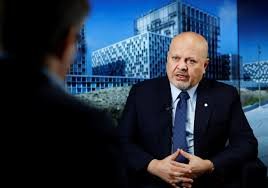
The global legal community faced a major shockwave when member nations of the International Criminal Court voted to remove Chief Prosecutor Karim Khan.
Member states voted by a large majority to remove Karim Khan following a detailed disciplinary investigation.
The inquiry stemmed from allegations of misconduct involving a subordinate staff member.
Legal teams representing the prosecutor contested the fairness of the proceedings, while defense mechanisms and appeals remain under review.
In-depth reports and institutional updates are continuously provided by trusted outlets such as
The Guardian Associated Press Reuters BBC News
Evaluating Institutional Fallout and Continuing Court Operations
The removal of a sitting prosecutor places significant administrative and ethical scrutiny on the global tribunal during an already sensitive geopolitical period. While the leadership of the prosecution office transitions to deputy officials to maintain ongoing case continuity, international legal experts emphasize that the court's core mandate must persist independently of any single individual. Observers around the world are closely monitoring how this leadership change will influence active high-profile investigations and institutional trust moving forward.
Future Outlook for Global Justice Standards
The unprecedented disciplinary action highlights the strict governance standards expected of leaders operating within international judicial bodies. As member states navigate the aftermath of this vote, emphasis shifts toward ensuring transparency, protecting workplace safety standards, and preserving the integrity of international human rights and accountability frameworks for the future.