What Is the Iranian Nuclear Threat?
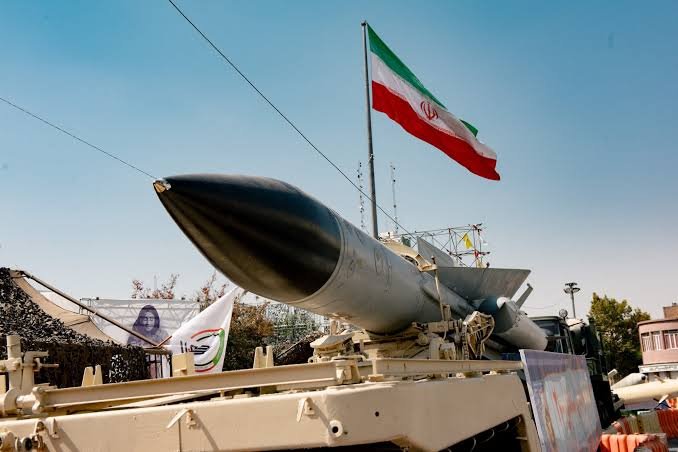
The Iranian nuclear threat refers to concerns that Iran could develop operational nuclear weapons using its advanced fuel facilities and enriched uranium stockpiles. International security experts worry that a nuclear-armed Iran would destabil2e the Middle East and trigger a regional arms race.
High Enriched Uranium: Iran has produced uranium enriched up to 60% purity, which is close to weapons-grade levels.
Deep Underground Sites: Construction on protected facilities like Pickaxe Mountain makes military tracking and target strikes harder.
Centrifuge Production: Advanced machines spin uranium gas faster, speeding up the time needed to make bomb-grade fuel.
Restricted Inspection Access: Monitoring agencies face ongoing limits when trying to check sensitive nuclear locations.
Uranium Enrichment and Weapon Breakout Time
Breakout time means how long a country would need to make enough weapons-grade fuel for one nuclear bomb. Over recent years, Iran has steadily increased its fuel purity levels well beyond normal commercial energy needs. According to reporting from
Deep Underground Facilities and Defense
To shield its nuclear equipment from foreign air attacks, Iran has shifted key operations into heavily fortified underground bunkers. The most notable recent project is built under solid rock near the Natanz area. An analysis by
Challenges Facing International Inspectors
The International Atomic Energy Agency, known as the IAEA, is tasked with verifying that nuclear programs remain peaceful. However, inspectors have faced severe limits on where they can go and what equipment they can check. Official updates from the
Global Efforts and Security Solutions
World powers continue to balance diplomacy, sanction pressure, and military readiness to handle the threat. Diplomatic talks aim to rebuild binding agreements that cap fuel enrichment and restore full inspection access. At the same time, neighboring countries and Western nations maintain defensive military presence across regional seaways to prevent conflict from spreading. Finding a long-term peaceful answer remains critical for middle eastern stability and global non-proliferation rules.