
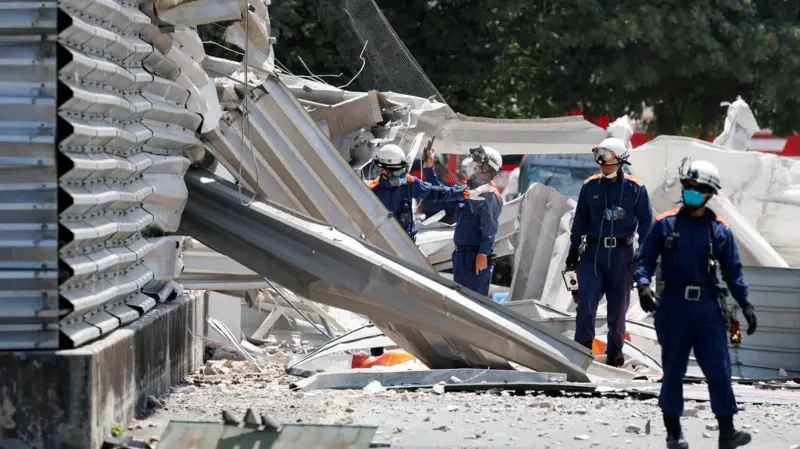
Understanding Regional Utility and Transport Disruptions
The powerful tremor caused significant disruptions to critical infrastructure across the southern island of Kyushu, affecting transport and daily commerce.
Regional expressways and railway networks suspended operations temporarily for safety inspections.
Major industrial facilities and manufacturing plants in the affected zones evacuated workers and halted production.
Tens of thousands of households faced total power and water blackouts immediately following the shock.
Authorities confirmed that nuclear energy installations in the region maintained safe operational status.
Resuming Industrial Activity and Supply Chains
Business leaders and factory operators are evaluating structural integrity to ensure safe working conditions before restarting production lines. Supply chains reliant on local manufacturing components experienced short-term delays as logistics routes underwent clearance. Companies are coordinating closely with transport agencies to resume normal freight movement as soon as roads and rail tracks are cleared.
Reinforcing Preparedness for Future Seismicity
Japan's advanced disaster management framework continues to undergo rigorous real-world testing as authorities analyze data from this latest event. Investments in earthquake-resistant architecture and early warning systems have historically minimized casualties, but engineers emphasize ongoing upgrades are necessary. Policymakers remain committed to enhancing community readiness and infrastructure durability against future seismic shocks.
This video provides visual coverage and live updates regarding the powerful earthquake that struck Japan's Kumamoto region.