What Are the Ladakh Protests and Hunger Strikes?
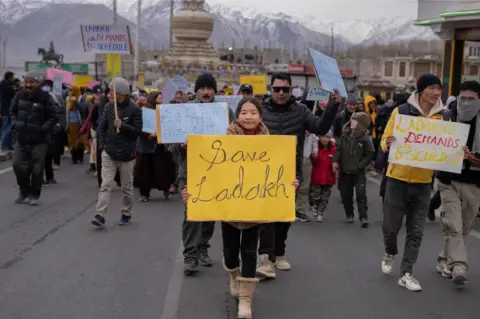
The recent protests in Ladakh center on local demands for constitutional safeguards, democratic rights, and ecological protections for the high-altitude Himalayan territory. Activist and engineer Sonam Wangchuk, along with regional organizations, has used public demonstrations and fasts to highlight these urgent public issues. The leaders insist that fast development without local input risks damaging the fragile mountain ecology and erasing local traditions. As these peaceful demonstrations continue, people across the country are paying closer attention to the region's concerns.
Constitutional Protections: Protesters are asking for Sixth Schedule status to give local tribal communities autonomy over land and resources.
Statehood Demand: Demonstrators want Ladakh to become a full state with its own elected assembly.
Environmental Safeguards: Fast growth and commercial projects threaten the sensitive Himalayan climate and glaciers.
Employment and Representation: Citizens want local job protections and direct representation in the central government.
Why Activist Sonam Wangchuk Is Fasting
Sonam Wangchuk has repeatedly turned to hunger strikes as a peaceful way to press for democratic dialog and ecological safety. Background details provided by
The Key Demands of the Ladakh Movement
The main demand of the protestors is the inclusion of Ladakh under the Sixth Schedule of the Indian Constitution, which provides self-governing power to tribal areas. According to coverage from
Government Response and Current Situation
The central government has held several rounds of discussions with representatives from Ladakh to discuss regional development and administrative needs. Reports tracked by