Understanding the Guyana Ferry Tragedy and Sea Dangers
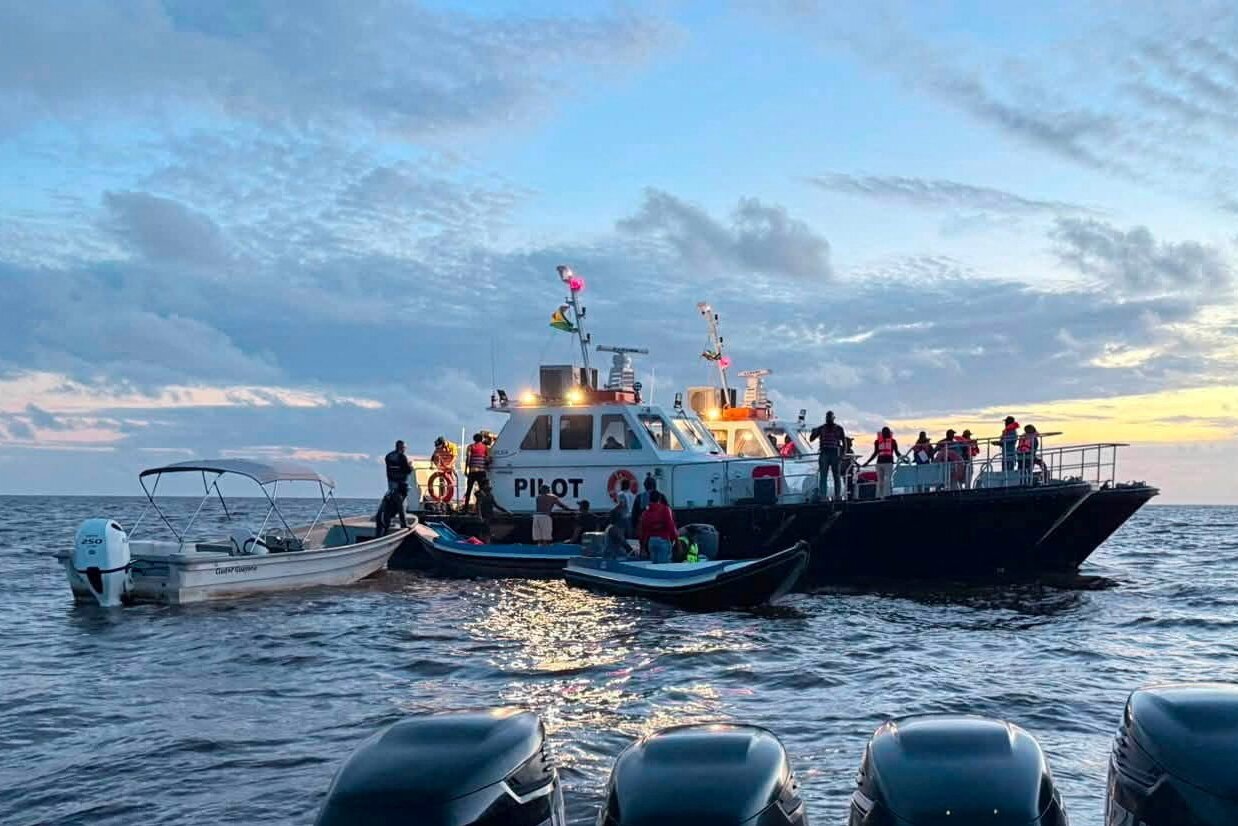
Maritime travel faces serious safety threats today, ranging from sudden ship capsizing to deliberate military attacks on energy tankers. A primary example of commercial vessel vulnerability occurred when the MV Barima ferry capsized off the coast of Guyana, resulting in a heavy loss of human life. At the same time, commercial oil tankers face constant danger from armed strikes, drone attacks, and explosive sea mines in busy global waterways. These combined risks show how fragile passenger safety and global shipping trade remain when safety rules, proper crew checks, and naval protections are not strictly enforced.
Severe Life Risks: Overcrowded ferries and targeted energy ships put hundreds of civilian crew members and passengers in direct danger.
Economic Disruptions: Damage to commercial tankers causes sudden jumps in oil prices and delays critical trade goods worldwide.
Human and Crew Errors: Operating old vessels without proper safety inspections or under impaired crew control greatly increases accident rates.
Causes Behind the Tragic Guyana Ferry Sinking
The disaster involving the MV Barima capsizing brought global focus onto poor boat maintenance and weak terminal oversight. Investigative reports detailed in news coverage by
The Rising Threat of Armed Tanker Attacks
While passenger ferries face technical and human errors, oil tankers deal with targeted missile and drone attacks from armed groups. Commercial ships traveling near dangerous coastlines frequently check safety notices published by the
How Maritime Attacks Impact Everyday Fuel Costs
When energy tankers come under fire, the economic consequences impact consumers almost immediately at local gas stations. Shipping companies adjust their transport routes using real-time security alerts from the
Global Efforts to Improve Ship Safety and Security
International organizations and governments are taking stronger steps to prevent future sea tragedies and shield merchant ships from harm. Governments are enforcing strict pre-departure inspections for local passenger ferries to ensure crews are qualified and ships are not carrying excess weight. At the same time, international navies are deploying warships to patrol busy shipping corridors, escorting oil tankers, and shooting down airborne threats. By combining tough local safety laws with multinational naval protections, world leaders hope to make oceans safer for both passenger travel and commercial trade.