Sixth Day of Intensive Rescue Operations
Search and rescue teams in Nepal pushed deeper into mud-filled river valleys as operations entered a critical sixth day following last week's glacial flash floods. The disaster, triggered by a massive high-altitude ice collapse near the border, has become one of the most destructive natural events in the region's recent history. Thousands of security personnel, local volunteers, and international experts are working together to clear blocked roads and reach isolated mountain communities.
The confirmed death toll in Nepal surpassed 900, making it a catastrophic humanitarian crisis for the Himalayan nation.
Rescue personnel are using heavy machinery, drones, and specialized tools to dig through thick layers of mud and debris.
Thousands of residents and workers remain unaccounted for, prompting urgent calls for advanced forensic and tracking equipment.
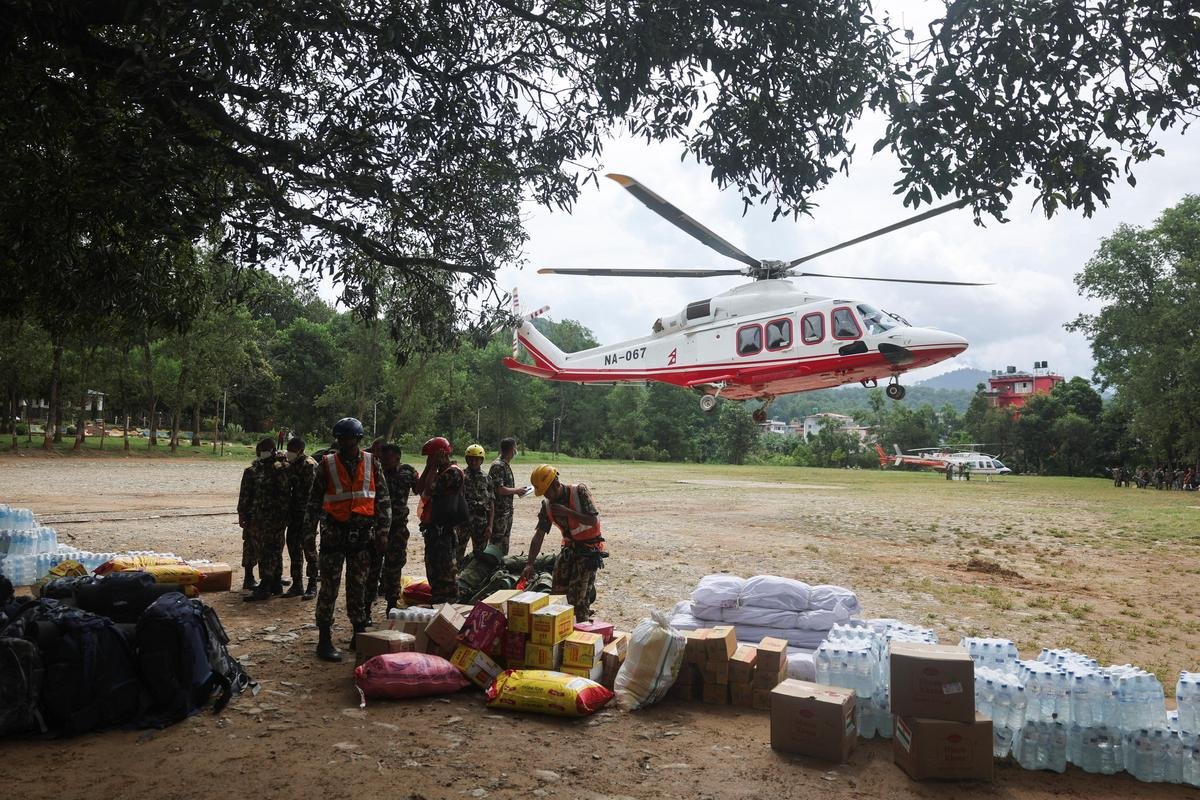
Emergency relief camps have been established to provide clean water, food packets, and medical aid to displaced families.
Government Actions and International Aid
As the scale of the destruction became fully apparent, local authorities appealed for expanded global support to manage rescue and relief distribution. Detailed reports from
Ongoing Challenges on the Ground
Relief teams continue to face severe hurdles due to washed-out bridges, blocked highways, and damaged communication lines across the worst-hit districts like Rasuwa and Nuwakot. Restoring basic infrastructure and ensuring safe drinking water supplies remain top priorities as international humanitarian agencies scale up their field operations.