
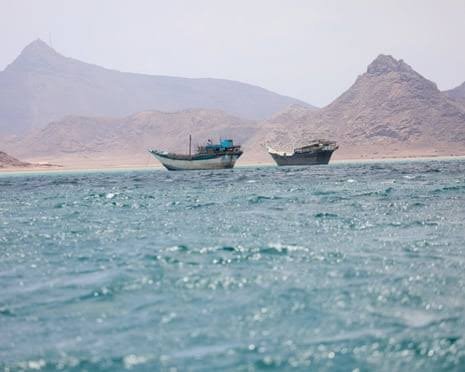
Rising Security Risks in the Red Sea
Security threats along the Red Sea have created serious challenges for international trade and global supply chains. Drone attacks, missile warnings, and declared blockades near the Bab el-Mandeb strait have made passing through the region dangerous for commercial vessels. Many major shipping lines are choosing to avoid the short route through the Suez Canal to keep their crews and cargo safe. According to security analysis from the
Key Waterway at Risk: The Bab el-Mandeb strait connects the Red Sea to the Indian Ocean and handles a large share of global trade.
Rerouted Cargo Vessels: Major container carriers are sending ships around Africa's southern coast to avoid conflict areas.
Targeted Oil Tankers: Recent warnings have specifically targeted tankers heading to regional energy ports.
Increased Transit Times: Diverting ships around the Cape of Good Hope adds ten to fourteen days to normal trade trips.
Economic Impact and Rising Shipping Costs
Avoiding the Red Sea forces ships to take much longer paths to deliver goods between Asia, Europe, and the Americas. This extra distance burns significantly more fuel and reduces the overall number of ships available for trade. As reported by
International Security and Navy Operations
Nations around the world have sent warships to patrol key shipping lanes and protect commercial vessels from incoming drones and missiles. Navies conduct regular escorts and monitoring missions to maintain safety in international waters. Detailed shipping logistics updates from
Future Outlook for Global Trade Routes
Logistics companies and international leaders are looking for long-term solutions to make global supply chains more resilient. Many businesses are adjusting their delivery schedules to accommodate longer sea routes permanently until full safety is restored. Documentation from the