
Supreme Court Stance on Religious Freedom
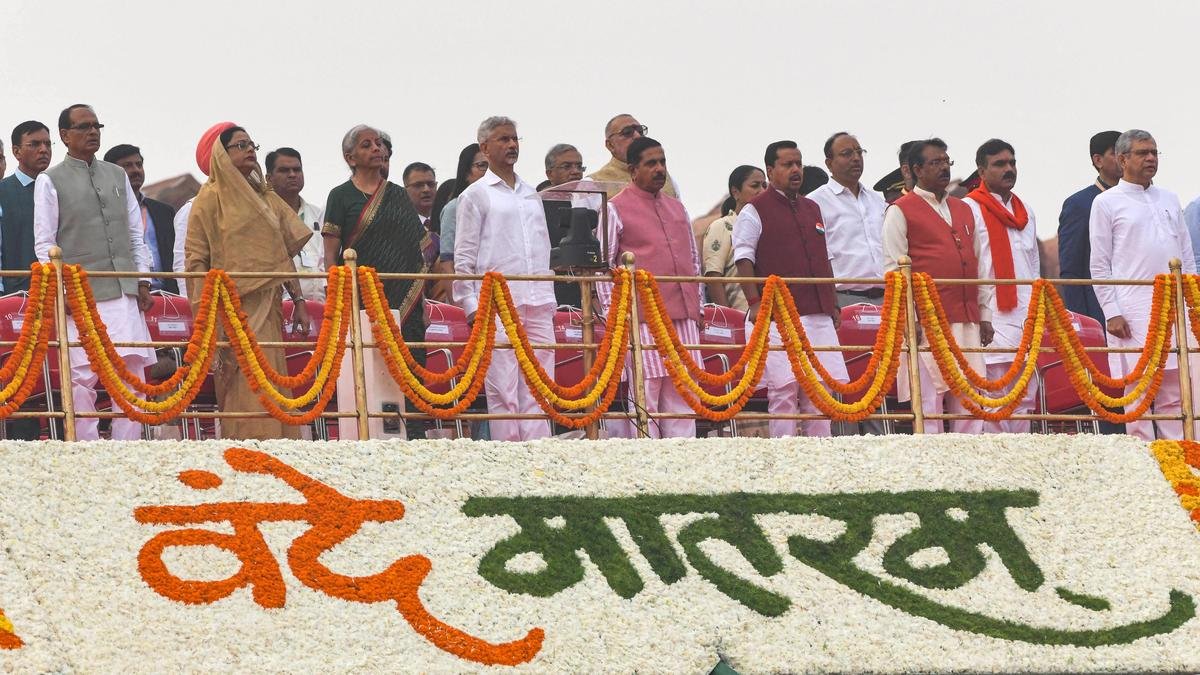
The Supreme Court of India addressed important legal questions regarding the mandatory singing of the national song at public events. A three-judge bench noted that while a democratically elected government holds the authority to define the scope and length of the national song, this power cannot override fundamental constitutional protections.
The bench highlighted that nobody's freedom of religion under Articles 25 and 26 of the Constitution can be violated.
The court reaffirmed that the classic 1986 Bijoe Emmanuel precedent protecting silent objectors and religious beliefs remains active law.
Legal experts pointed out that making the complete rendition mandatory under threat of jail time creates serious challenges for diverse communities.
The central government was asked to file its formal response within two weeks to clarify how enforcement handles dissenting views.
Legal Context and Public Reactions
The judicial observations came during hearings on a petition challenging recent legislative changes and home ministry guidelines.
Next Steps in the Legal Review
As the central government prepares its response for the upcoming hearings, the case will continue to test the balance between national symbols and individual liberties. The final verdict will set a definitive standard for civil freedoms across the country.