E-Paper |
| Sign In
Indus Time

Serious Military Escalation in Iran After Multiple Nights of US Air Strikes

The United States military has launched a massive six-hour wave of airstrikes against Iran, as the Iranian military warns that the Strait of Hormuz is a strict red line.

Updated 12:39 AM 3 min read min read 433 words
Aa
Serious Military Escalation in Iran After Multiple Nights of US Air Strikes

Heavy Fighting Breaks Out in the Middle East

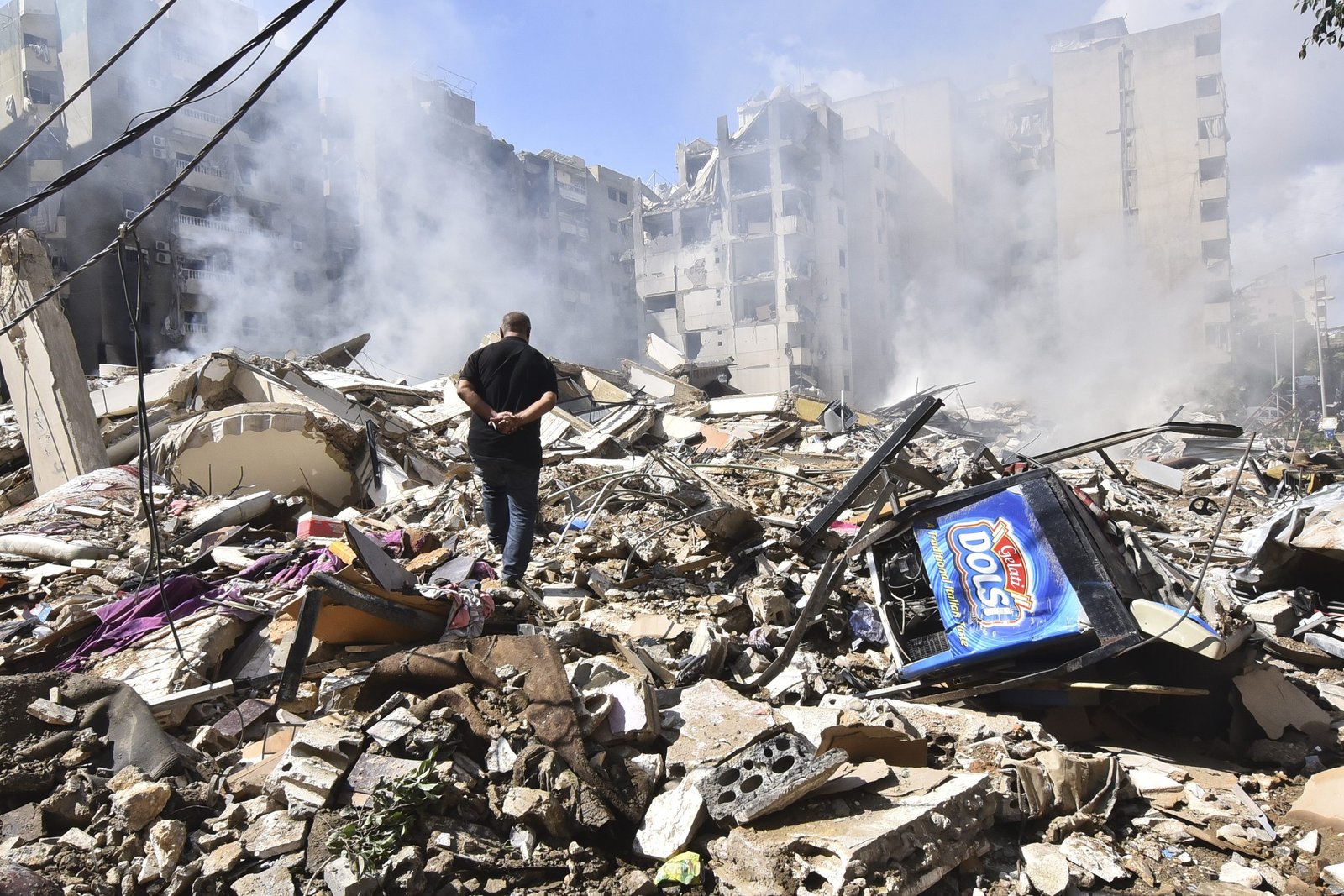
The long-running conflict in the Middle East has taken a highly dangerous turn after a series of major military actions. The United States military recently finished a massive six-hour wave of airstrikes against multiple defense locations inside Iran. This marks the fifth night in a row that American forces have bombed targets to stop Iran from threatening shipping routes. Iranian military leaders have responded with strong warnings, stating they will fight back hard if their trade paths are touched.

  • The military conflict originally flared up heavily earlier this year following violent domestic protests inside Iran.

  • The United States and Israel carried out initial joint strikes back in February, which led to a breakdown in peace talks.

  • A brief ceasefire agreement mediated by Pakistan failed after both sides accused each other of breaking the rules.

  • The latest round of fighting has caused countries across the region to close their airspaces to commercial flights.

The Fight Over Global Shipping Lanes

The main reason for this fresh round of heavy fighting is a dispute over one of the most important water pathways in the world. According to a detailed report by SBS News, Iranian central command spokesperson Ebrahim Zolfaghari warned that the Strait of Hormuz is a strict "red line". Iran has threatened to completely block global oil ships from moving through this area if the West targets its local infrastructure. The White House maintains that its military actions are fully necessary to keep the seas safe for international trade.

Regional Allies Join the Conflict

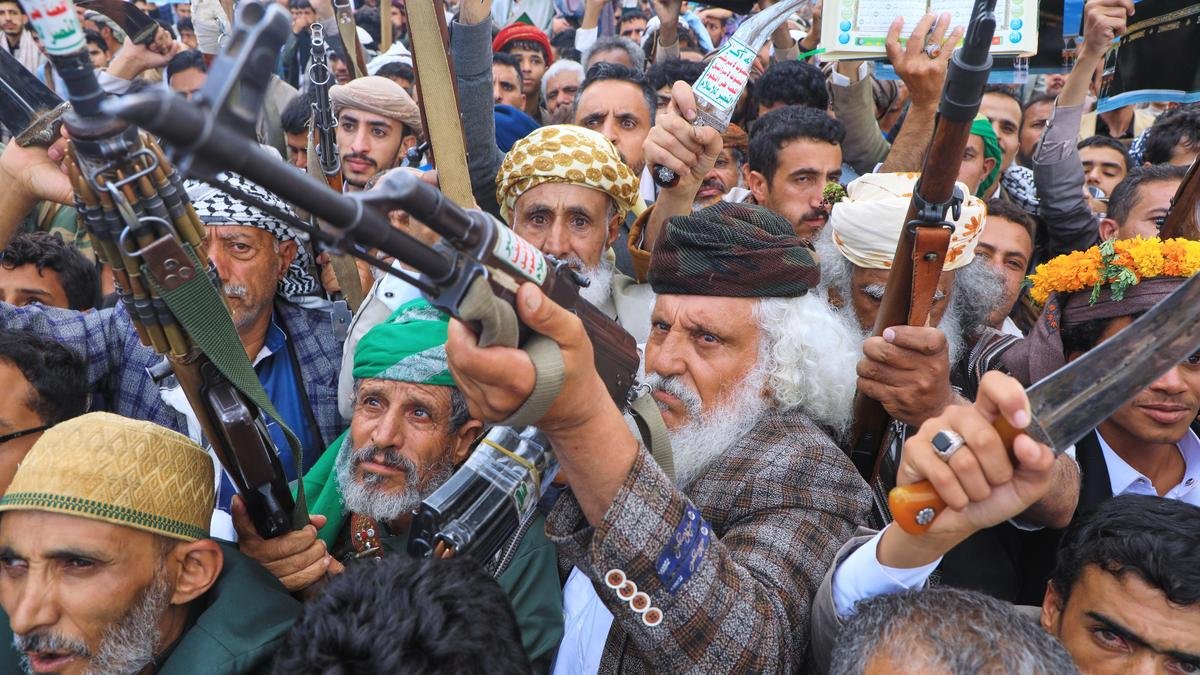
As the fighting between the two main nations gets worse, neighboring countries are being dragged into the crisis. As shared by the Royal United Services Institute, Iran has fired multiple missiles over neighboring Jordan in an effort to clear a path for larger attacks against Israel. At the same time, the Iran-backed Houthi group in Yemen has threatened to launch drone strikes at Saudi Arabian oil fields if the war keeps growing. This regional spreading of the war has made it very difficult for diplomatic groups to step in.

Growing Worries Over a Refugee Crisis

The intense bombing campaigns and closing of borders are creating a highly difficult situation for ordinary people living in the area. Information collected by ReliefWeb shows that humanitarian organizations are struggling to move supplies due to blocked roads and closed skies. Millions of foreign workers and migrants inside Iran are now trapped without easy access to money, electricity, or the internet. Aid workers warn that if a solid peace agreement is not reached soon, the region could face a massive displacement crisis
Found this useful? Share it:

Comments

Leave a Comment

Be the first to share your thoughts.

Related Stories

More World →