What Is a Diplomatic Standoff?
A diplomatic standoff occurs when two or more countries reach a complete disagreement over important legal, political, or territorial issues. During these conflicts, normal political conversations break down, and both sides refuse to change their official positions. Rather than choosing direct military action, governments often use political pressure, economic limits, and communication bans to signal their displeasure. These intense arguments can last for weeks, months, or even years until both sides agree to talk again.
Ambassador Recalls: Governments temporarily pull their main representatives out of partner countries to show serious disappointment.
Economic Restrictions: Countries impose targeted bans or trade limits to put economic pressure on their rivals.
Communication Freezes: Official meetings, joint peace talks, and high-level visits are canceled or put on hold indefinitely.
Mediator Assistance: Neutral third-party nations step in to pass messages and help rebuild broken relations.
Main Causes Behind International Disputes
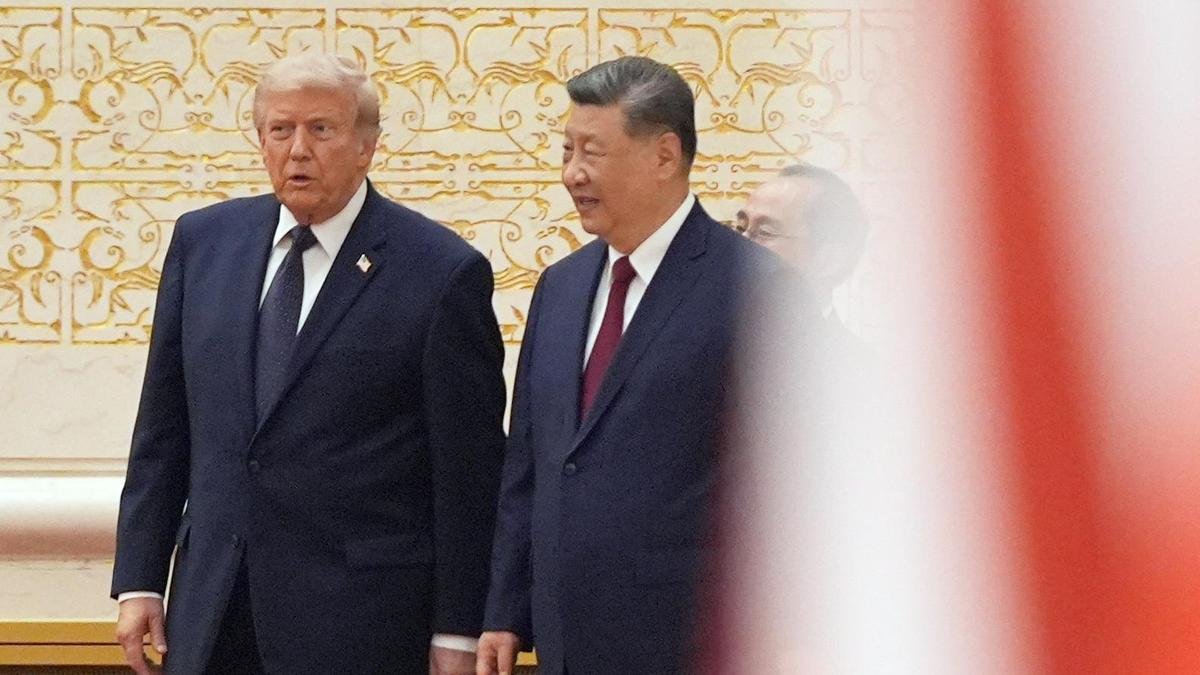
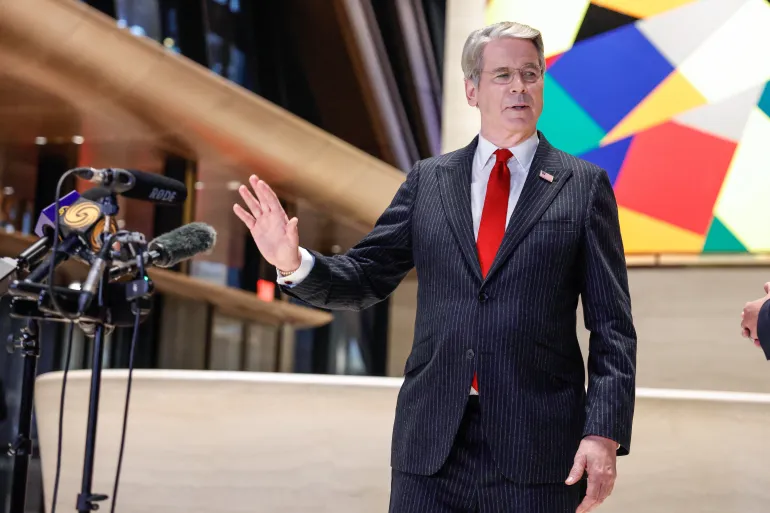
Diplomatic standoffs usually start when a country violates international agreements, breaches borders, or threatens regional security. Dispute triggers can range from election disagreements and spying allegations to sudden military actions near shared borders. In recent months, severe transatlantic disagreements over international postings have created a prolonged political deadlock. As documented by
How Diplomatic Battles Affect Trade and Travel
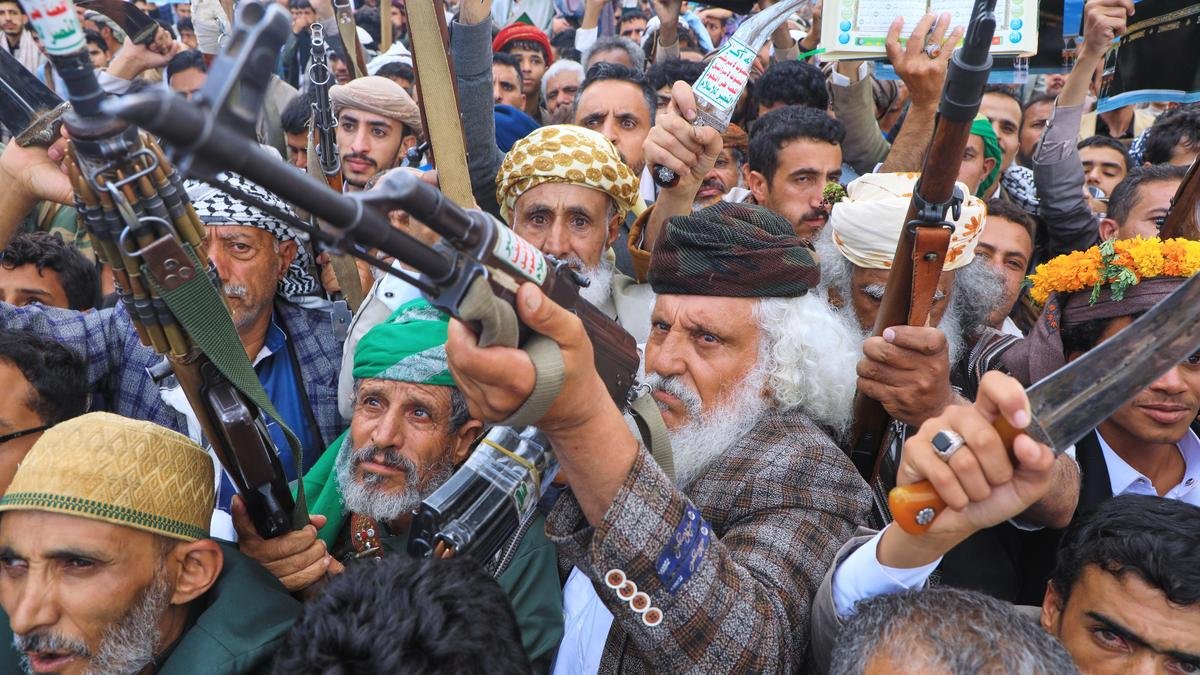
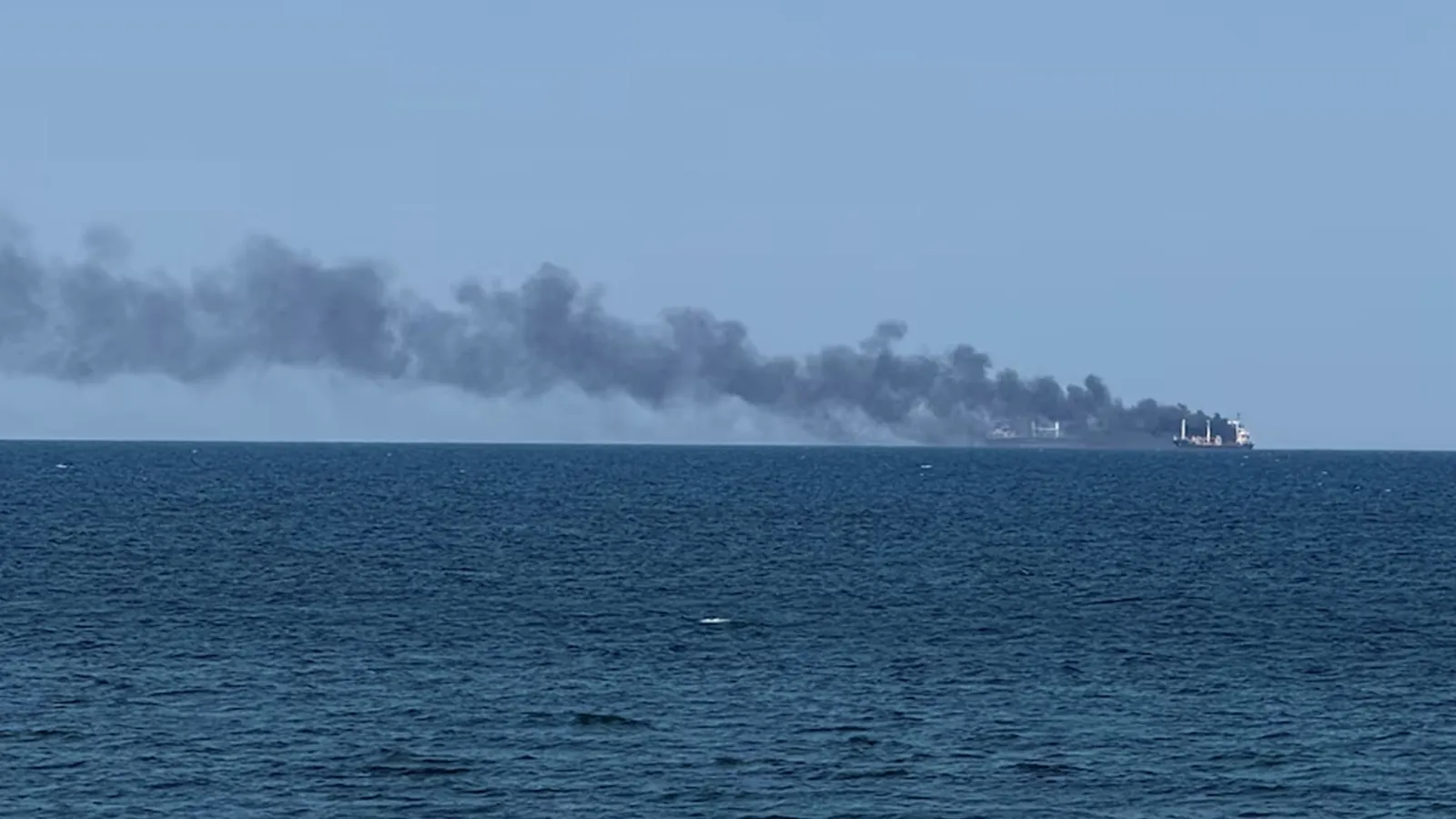
When political tensions rise between nations, everyday citizens, students, and businesses often feel the consequences first. Border security checks become much stricter, processing times for travel visas slow down, and trade agreements are placed on hold. For example, maritime security disputes can quickly endanger merchant ships and global supply networks. As detailed by
The Important Role of Neutral Mediators
When two opposing governments refuse to talk directly, neutral third-party countries step in to prevent further conflict. These external mediators act as careful messengers, sharing proposals, finding shared ground, and hosting quiet negotiations in neutral locations.
How Nations Finally Reach Peaceful Agreements
Resolving a major diplomatic standoff takes patience, clear compromise, and multi-step agreements. Governments often start with small, non-political steps like returning diplomatic staff, releasing official statements, or lifting minor trade restrictions. Once basic trust returns, diplomats meet face-to-face to create binding treaties and restore normal state relations. While reaching a complete solution takes time, steady communication remains the best way for nations to preserve global stability and avoid military conflict.