What Are the Latest Protests in India About?
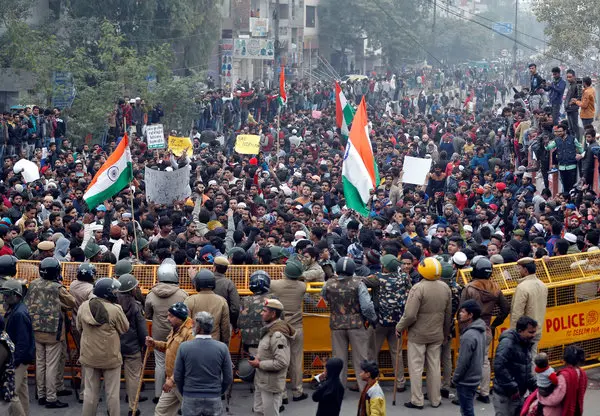
Protests in India have grown stronger as citizens raise their voices against major issues that affect daily life. From large gatherings in the capital city to university campuses across the country, everyday citizens and youth groups are demanding action on crucial public matters. These demonstrations show how people use public spaces to bring attention to their concerns when they feel their voices are not being heard.
Exam Controversies: Students are protesting over paper leaks and testing issues affecting millions of applicants.
Youth Demands: Activists and young job seekers are asking for government accountability and systemic reforms.
Hunger Strikes: Well-known activists are holding hunger strikes in public areas like Jantar Mantar to push for policy changes.
Security & Traffic: Major rallies lead to security deployments, road closures, and public travel updates across city districts.
Why Students and Youth Are Leading the Charge
Recent public demonstrations have been driven by young people who feel frustrated by exam failures and unfair testing procedures. According to
The Legal Right to Protest in India
The right to assemble and speak out is protected by the Indian Constitution, giving citizens a peaceful way to oppose government decisions. As explained by
How Authorities Manage Public Rallies
When large crowds gather near government buildings or central transportation hubs, local police step in to manage traffic and maintain safety. Official advisories, such as the demonstration alert published by the
The Impact of Public Demonstrations on Policy
Protests continue to be a primary way for everyday citizens to hold leaders accountable in a democracy. Even when authorities refuse initial demands, large gatherings draw media attention and push officials to open discussions with protest leaders. Through peaceful rallies, hunger strikes, and public marches, citizens make sure that pressing issues stay at the center of political conversations across the nation.
To see live coverage and detailed reporting on the latest youth-led demonstrations in New Delhi, check out this video on the
This video provides on-the-ground reporting and expert analysis of the recent student-led rallies, explaining the underlying causes and government responses.