What Are Tanker Attacks and Why Do They Happen?
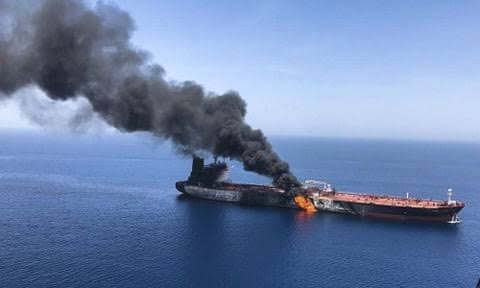
Tanker attacks happen when armed groups, militaries, or sea pirates use missiles, drones, or mines to hit commercial cargo ships carrying oil, gas, or chemicals. These attacks usually focus on narrow sea paths like the Strait of Hormuz or the Red Sea, where thousands of merchant vessels pass every single day. Attackers target these huge ships to make political statements, disrupt trade, or exert pressure on rival nations during regional conflicts. Because oil tankers carry valuable resources that power entire countries, harming them quickly grabs world attention.
High Economic Value: Oil and fuel shipments are worth millions of dollars per journey, making them prime targets to draw international pressure.
Geographic Choke Points: Narrow waterways force vessels to slow down and travel close to shore lines, making targeting easier.
Low Vessel Defense: Commercial tankers carry civilian crews and lack heavy military defense systems, leaving them vulnerable to fast airborne or surface strikes.
The Technology Used in Attacks
Modern sea attacks rarely involve traditional boardings by armed pirates alone. Groups now use uncrewed aerial drones, sea-skimming cruise missiles, and remote-controlled explosive boats to strike vessels from miles away. Some operations also rely on underwater limpet mines attached directly to a ship's hull to cause major damage without sinking the vessel completely.
Impact on Global Oil Prices and Trade
When a tanker is hit, the effects are felt in the global economy right away. Shipping lines often pull their vessels out of high-risk areas or take longer routes around whole continents to keep crews safe. Long detours add extra travel time and use significantly more fuel, which drives up the cost of shipping goods. To track real-time security alerts and commercial route changes, ship captains rely on updates from the
How International Forces Protect Ships
Countries work together to protect merchant trade and safeguard crews in dangerous waters. Multi-national coalitions deploy naval destroyers and patrol aircraft to escort trade ships through unsafe areas. Ships traveling through known danger zones are advised to follow safety guidelines issued by global maritime authorities like the