What Is the Houthi Blockade on Saudi Arabia?
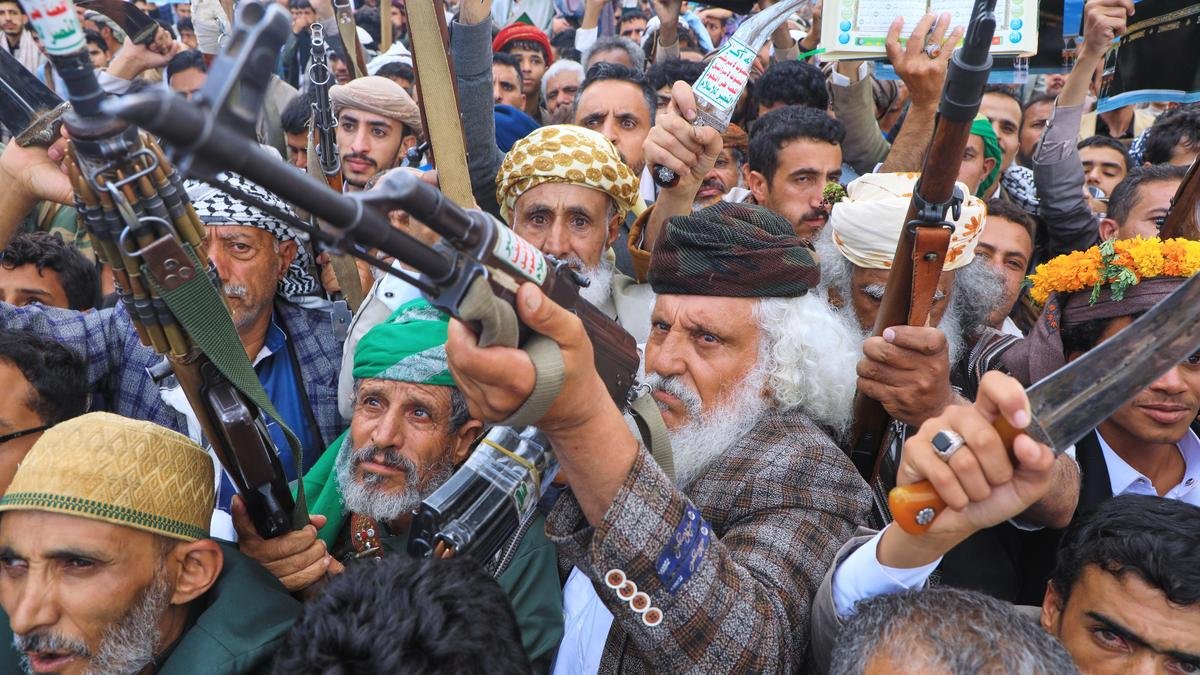
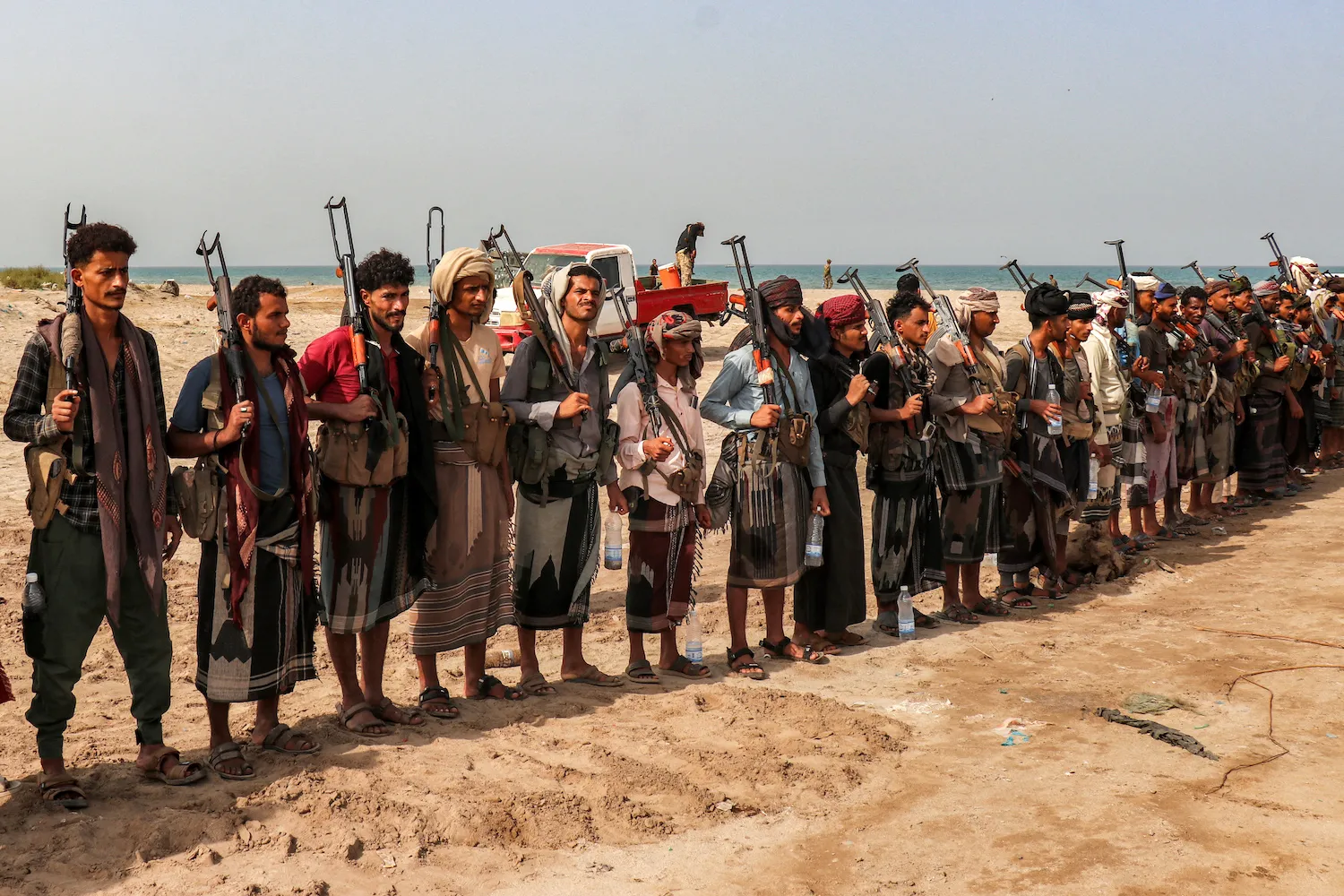
Yemen's Houthi movement declared a maritime embargo on Saudi Arabia, targeting ships linked to Saudi ports and trade routes in the Red Sea. The group announced that this sea blockade is a direct response to years of economic pressure and port restrictions imposed on Yemen. By threatening cargo ships and oil tankers in key waterways, the Houthis aim to pressure Saudi Arabia and its international partners. This dramatic step raises new safety concerns for global shipping lanes and major trade routes across the Middle East.
Targeted Shipping: The blockade targets Saudi-flagged ships, vessels owned by Saudi companies, and cargo heading to Saudi Red Sea ports.
Key Sea Lanes: Threats focus on the Bab al-Mandeb Strait and the southern Red Sea, through which huge amounts of global oil pass.
Economic Retaliation: Houthi leaders framed the decision as "a blockade for a blockade" to counter long-standing Saudi trade limits on Yemen.
Global Shipping Alarm: Maritime security groups warn cargo firms to avoid high-risk zones or increase defensive security measures.
Why the Houthis Declared a Sea Embargo
The announcement marks a serious turning point in regional conflict and military strategy. According to reporting by
The Impact on Global Oil and Shipping Routes
The Red Sea and the Bab al-Mandeb Strait form one of the busiest maritime corridors in the world, carrying roughly twelve percent of all global trade. As detailed by
Regional Risks and International Responses
Governments and shipping companies are stepping up security measures to protect commercial vessels passing through dangerous waters. Strategic coverage from
What Could Happen Next in the Conflict
The future of this standoff depends on whether both sides choose diplomatic talks or further military action. If the blockade continues, it could lead to higher global oil prices, increased insurance rates for shipping firms, and deeper political instability across the region. Neutral international leaders are urging both sides to stop military threats and reopen conversations to avoid a larger trade crisis. Finding a peaceful resolution remains essential for keeping international trade moving and preventing further economic harm to local communities.