What Are Trade War Fears?
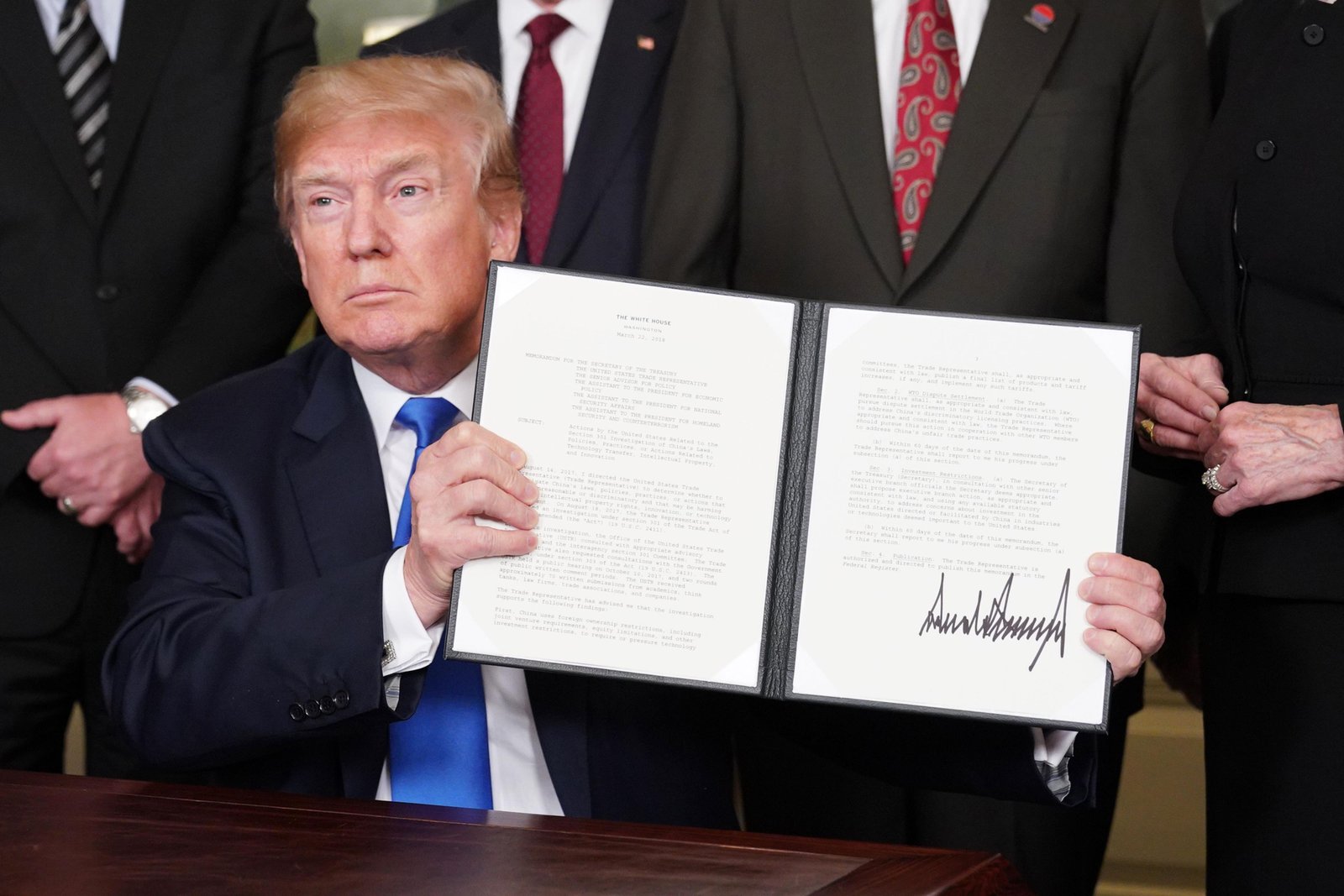
Trade war fears happen when governments threaten to put heavy taxes on imported goods from other countries. These extra taxes, called tariffs, are often used to protect local businesses or to punish other nations during policy disputes. When countries start trading threats and retaliating with their own taxes, business leaders and normal shoppers get worried about economic trouble. These growing tensions can quickly slow down global trade and make everyday items much more expensive.
Higher Import Taxes: Countries add extra fees on incoming goods to limit foreign competition.
Retaliatory Steps: Affected nations respond by adding their own tariffs on opposite exports.
Rising Consumer Prices: Companies pass the extra tax costs directly to regular shoppers.
Market Uncertainty: Investors and business owners delay major spending due to constant rule changes.
How New Tariffs Cause Higher Everyday Prices
When a government puts new tariffs on foreign products, foreign sellers usually do not pay these taxes out of their own pockets. Instead, domestic importing companies pay the fees at the border and raise their retail prices to make up for the cost. As reported by the
The Impact on Global Supply Chains and Shipping
Trade conflicts also create massive confusion for shipping companies and global factory supply networks. According to detailed trade coverage from the
Economic Growth Risks and International Reactions
Global financial organizations closely track these trade arguments because prolonged disputes can harm world growth. An economic update from
How Countries Try to Resolve Trade Conflict
Even during intense economic standoffs, governments usually attempt to negotiate peace deals or compromise on fair terms. Economic research published by the
To learn more about how trade conflicts, tariffs, and global political decisions affect international markets, check out this video on
This video gives a clear breakdown of how proposed tariffs and trade tensions impact international relations, financial markets, and the broader world economy.