Delhi High Court Orders Daily Health Monitoring for Fasting Activist Sonam Wangchuk
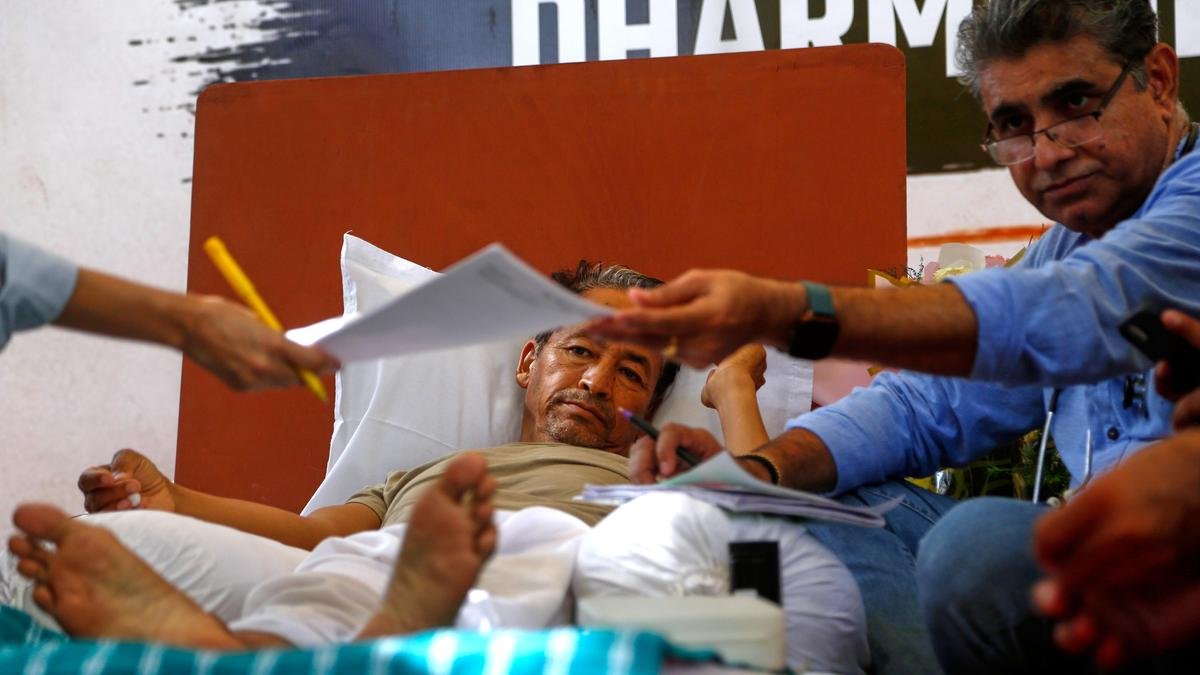
Climate activist and educator Sonam Wangchuk’s indefinite hunger strike at Jantar Mantar has reached its 19th day, drawing urgent judicial attention to his deteriorating physical condition. In response to a Public Interest Litigation (PIL) seeking immediate intervention, the Delhi High Court on Wednesday directed the Centre and the Delhi government to ensure that Mr. Wangchuk’s health is clinically and regularly monitored by government doctors. A Division Bench comprising Chief Justice Devendra Kumar Upadhyaya and Justice Tejas Karia underscored the importance of the situation, stating, “Life of any citizen is precious and all efforts ought to be made by government authorities to save the same.” Detailed reports on the court’s proceedings can be found at
The petition, filed by advocate Rakesh Kumar Saini, highlighted the significant toll the fast has taken on Mr. Wangchuk’s health, noting that he has reportedly lost over 8 kilograms since beginning his protest on June 28, 2026. The plea urged the court to direct authorities to provide immediate medical care, suggesting that the government has a constitutional obligation to protect the life of a citizen even during a protest. Solicitor General Tushar Mehta, appearing for the Centre, assured the court that medical check-ups were already being conducted daily and committed to providing any further necessary medical intervention based on the assessment of government medical experts.
Judicial Directive: The High Court has mandated that government doctors conduct daily clinical assessments of Mr. Wangchuk’s vital signs and overall health status.
Government Assurance: Solicitor General Tushar Mehta affirmed that the state would intervene with appropriate medical treatment as soon as experts determine it is necessary to prevent severe health complications.
Core Demands: Mr. Wangchuk’s protest remains centered on accountability regarding alleged irregularities in national competitive examinations, including the NEET paper leak, and he has explicitly demanded the resignation of Union Education Minister Dharmendra Pradhan.
Protest Background: Having begun his strike on June 28, Mr. Wangchuk has become a focal point for student unrest and debates over the transparency of India’s education system, frequently drawing public figures and political activists to the Jantar Mantar protest site.
Ongoing Standoff: Despite appeals from supporters to prioritize his health, Mr. Wangchuk has maintained that he will continue his fast until the authorities provide a meaningful response to his demands.
As noted by outlets like