E-Paper |
| Sign In
Indus Time
India Breaking

Monsoon Session Disruptions: Parliament Stalled Over NEET & Protests

Discover why the Monsoon Session of Parliament faces continuous disruptions, with opposition parties stalling proceedings over competitive exam leaks, student protests, and key national issues.

Updated 10:20 AM 2 min read min read 394 words
Aa
Monsoon Session Disruptions: Parliament Stalled Over NEET & Protests

Understanding the Chaos in Parliament

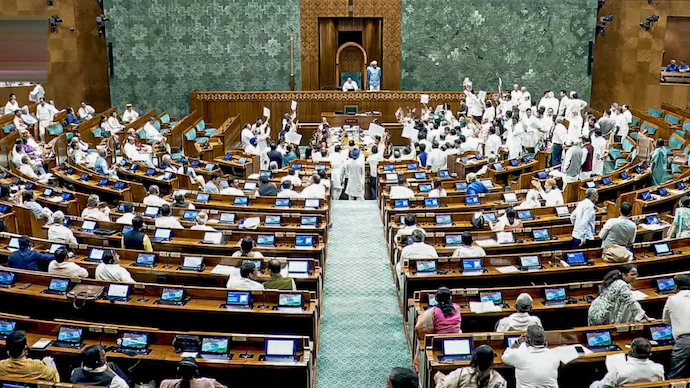
The Monsoon Session of Parliament has run into heavy weather, with both the Lok Sabha and Rajya Sabha experiencing continuous disruptions right from day one. Lawmakers from opposition parties have repeatedly forced adjournments by raising slogans, waving placards, and demanding immediate discussions on pressing matters. When legislative proceedings come to a complete halt, it prevents lawmakers from debating crucial laws and addressing public welfare issues. The recurring deadlocks highlight a deep political divide between the ruling government and the opposition over accountability and governance.

  • Both houses have faced multiple daily adjournments, leading to major losses in valuable legislative time.

  • Opposition leaders are strongly pushing for structured debates on recent competitive examination controversies.

  • Treasury benches accuse the opposition of avoiding formal house debates and choosing street protests instead.

  • Essential bills and public policy questions remain stalled amid continuous slogan shouting in the well of the house.

The stormy start to the proceedings has caught nationwide attention as political tensions peak inside the chambers. You can read detailed coverage of the opening day chaos on The Hindu. Further updates on the ongoing logjam and subsequent adjournments are also tracked by India Today, alongside reports on government reactions available on the Times of India and live parliamentary tracking via DD News.

Core Issues Driving the Protest Standoff

The primary trigger behind the intense protests inside Parliament is the widespread anger surrounding recent exam paper leaks and the handling of student demonstrations in New Delhi. Opposition MPs have argued that the future of millions of young aspirants is at stake and that Parliament must prioritize this crisis over routine agenda items. They have demanded the resignation of the Union Education Minister and accountability from testing agencies. Meanwhile, the government maintains that it is fully open to discussions under proper parliamentary rules, claiming that the protests are politically motivated attempts to bypass structured debate.

The Impact on Governance and Lawmaking

Frequent washouts of parliamentary sessions carry a heavy cost for the country's legislative system. Important economic bills, judicial reforms, and administrative amendments struggle to find floor time when sessions are consumed by political confrontation. While both sides blame each other for the gridlock, the ultimate sufferer is the democratic process itself. Restoring order requires cooperation, compromise, and a shared willingness to debate critical national issues constructively inside the temple of democracy rather than letting chaos dictate proceedings.

Found this useful? Share it:

Comments

Leave a Comment

Be the first to share your thoughts.

Related Stories

More India →