Understanding the Wildfire Crisis in Europe
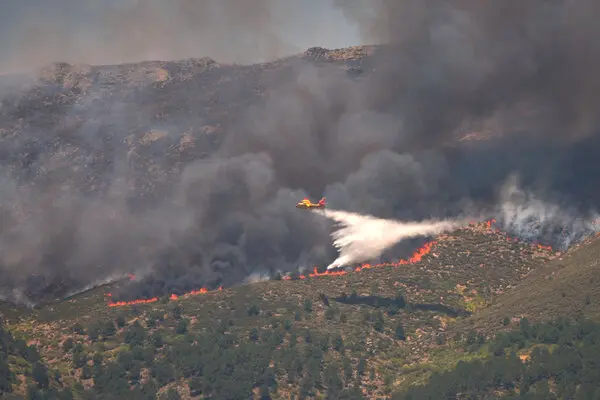
Massive wildfires have broken out across southwestern France and central Spain, fueled by intense heatwaves and dry weather conditions. These fast-moving blazes have destroyed large areas of land, homes, and tourist spots, leading to emergency situations. Local authorities and emergency services are working hard to control the flames, but strong winds continue to make the job difficult.
Extreme summer heatwaves have dried out forests and vegetation, turning them into fuel for the fires.
Thousands of residents and holidaymakers have been forced to leave their homes for safety.
Governments in both countries have deployed hundreds of firefighters and requested help from neighboring nations.
Environmental experts warn that rising global temperatures are making these disasters more frequent.
Major Impact on France
In southwestern France, particularly around the Gironde region and the Cap Ferret peninsula, massive forest fires have burned out of control. Flames have swept through popular tourist areas, forcing people to flee by road and even by boats across the water. According to reports by sources like UN News, tens of thousands of individuals have been safely evacuated from danger zones. Firefighters are facing tough conditions as smoke fills the air and property damage continues to rise. Comprehensive updates on these evacuations are regularly tracked by outlets like PBS NewsHour as emergency crews struggle to contain the spread.
Emergency Response in Spain
Spain has faced an equally severe crisis, prompting the government to declare a national emergency. Fires raging near Madrid and the nearby province of Ávila forced mass evacuations as multiple blazes merged into one massive wall of fire. Detailed ground reports from India Today highlight how international support, including water-dropping aircraft from other European nations, was rushed in to assist local teams. Prime ministers and regional leaders have stressed that long-term changes are required to adapt to these worsening climate conditions.
Future Steps and Prevention
Dealing with these recurring natural disasters requires a strong combined effort from local communities and international partners. As noted in analyses by the Financial Times, European countries must improve their early warning systems and update fire prevention strategies. Clearing dry brush near towns, creating better buffer zones, and reducing carbon emissions are vital steps to protect vulnerable regions from future destruction.